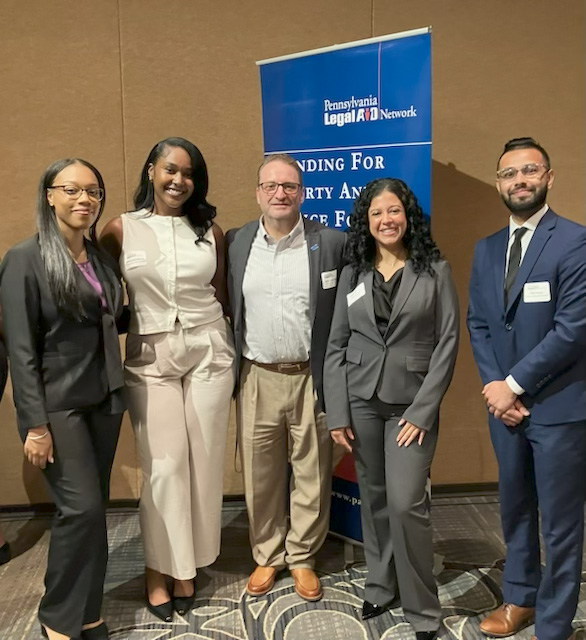
For several Widener University Commonwealth Law School students, the PLAN MLK Jr. Internship Program became more than just a summer opportunity; it became a personal and professional turning point.
Rishi Nayee, a rising third-year student, chose to spend his summer working with the Community Justice Project through the internship, which is coordinated by the Pennsylvania Legal Aid Network, known as PLAN. The 10-week program places law students with legal aid organizations across the state, encouraging them to carry forward Martin Luther King Jr.’s commitment to justice through public interest work.
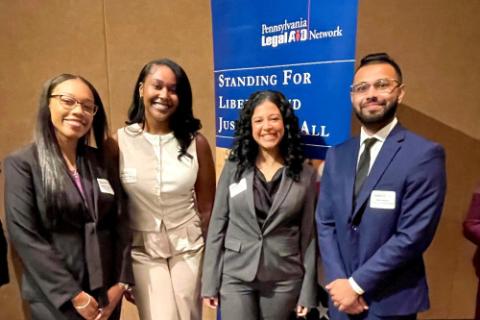
At the Community Justice Project, Nayee has gained firsthand experience in immigration law. His day-to-day work includes researching evolving legal issues and supporting individuals and families navigating complex immigration concerns.
“We’re seeing individuals living in fear about what could happen to their families and their status in this country,” he said. “We’re working to ensure their concerns are heard and addressed, and that they feel safe and supported.”
For Nathalie Polo, also a rising third-year student, the opportunity to participate in the PLAN MLK Jr. Program was sparked while reading a familiar source, Widener Law Commonwealth’s weekly “In the Loop” newsletter.
“Deans and professors had amazing things to say about the experience,” Polo said. “I’ve always enjoyed public interest work, and I was driven to apply by the program’s mission.”
Polo is spending her summer with Justice at Work, a legal aid organization that advocates for low-wage and immigrant workers. Her role has been hands on and wide ranging.
“Every day has been different, which I love,” she said. “I’ve conducted legal research, drafted motions, translated documents, supported outreach to H-2A workers, participated in intake calls, and contacted adverse parties to recover unpaid wages. H-2A workers are temporary agricultural laborers brought to the U.S. through a federal visa program, and many face challenges related to housing, wages, and workplace protections. My favorite part, by far, was visiting farm labor camps and speaking directly with workers about their rights.”
That direct connection with the people she serves has left a lasting impression.
“I’ve learned how powerful language and trust are in this work,” Polo said. “Being able to speak Spanish with clients has created such strong connections and opened doors to honest conversations. It’s also made me reflect on how critical language access is. Language barriers can prevent people from seeking legal help, reporting crimes, or understanding their rights, leading to serious disparities in access to justice.”
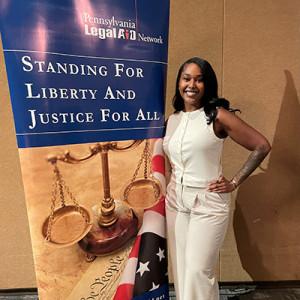
“Hearing their perspective on equity and inclusion reinforced the importance of programs like PLAN, especially for underrepresented students,” Morris said. “As a minority student, I felt compelled to pursue this opportunity—not only to grow professionally, but also to honor the spaces intentionally created for individuals like myself, even if the outcome was uncertain.”
Morris is also interning with the Community Justice Project, where she’s helping prepare paperwork that seeks to provide immigration relief for victims of crime and abuse, and staying informed on upcoming policy changes.
“What stands out most about CJP is its commitment to learning,” she said. “The team stays informed so they can provide the most effective and compassionate support possible.”
All three students said their internships have had a profound impact on how they view the legal profession and their future roles within it.
“I’ve learned that being a good advocate requires more than just legal knowledge; it requires empathy, patience, and the ability to explain legal processes in a way that empowers the client,” Morris said. “It’s showing me the kind of lawyer I want to become: one who leads with empathy, listens before advising, and makes space for clients to feel seen and heard.”
“This experience is shaping me into a more grounded lawyer,” Nayee added. “It’s pushing me to think creatively, communicate clearly, and always consider the real-life impact of the work we do. The law doesn’t exist in a vacuum, and it’s crucial to understand the people behind the cases.”
Polo agrees. “It’s confirmed for me that I want to work in a space where I’m directly helping people, but also contributing to systemic change,” she said. “It’s been humbling to see how big an impact even small moments of advocacy can have.”
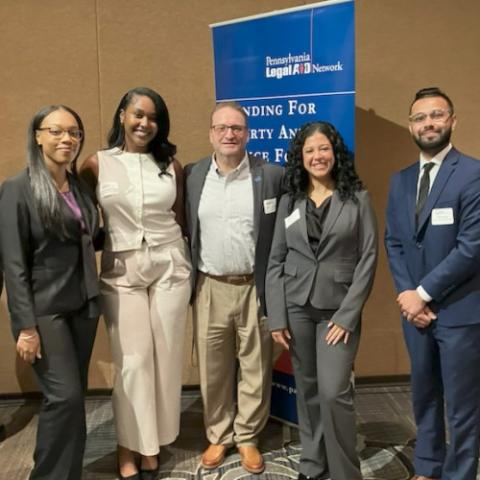
For students considering the PLAN MLK Jr. Internship, all three offer the same advice: apply.
“You’ll gain real-world experience, explore different areas of law, and most importantly, you’ll be doing meaningful work that directly serves your community,” Nayee said. “It’s incredibly rewarding to know you’re helping people and contributing to real change.”
“My only regret is not applying sooner,” Morris said. “This program offers more than just an internship. It’s a personal and supportive experience that adds real value to your law school journey.”
Polo called it a chance to grow both professionally and personally. “The work can be hard, but it’s also deeply meaningful,” she said.