
Widener Commonwealth Alumna Turns Personal Resilience into Purpose-Driven Advocacy in Workers’ Compensation Law
Kaleigh Ryder ’20
Image
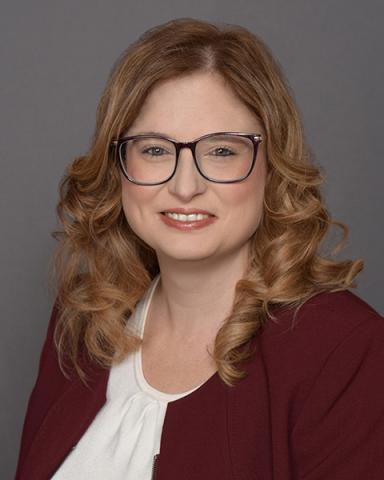
When Kaleigh Ryder started her first semester at Widener University Commonwealth Law School in 2017, she carried far more than textbooks into the classroom. She was a young mother with a 2-year-old daughter, a full course load, and a determination to build a better future for her family. Staying in Harrisburg, where her parents could help with childcare, made Widener Law Commonwealth the clear choice. It also became the place where she found her voice, her confidence, and the legal path she would ultimately pursue.
Ryder grew up in Harrisburg, attended Central Dauphin High School, and earned her psychology degree from Lebanon Valley College. Law school was a leap, one that required grit, long days and constant balancing. What she did not anticipate was how a single course would shift the direction of her career.
“I took Professor Jill Family’s administrative law class and realized how much I enjoyed the administrative side of legal work,” she said. “When I saw a workers’ compensation defense position posted on CORE, a career and job-search platform for students, I applied. That role is where I found my passion.”
Since graduating in 2020, Ryder has built a career grounded in empathy, strategy and a deep understanding of both sides of the workers’ compensation process. She spent her early years as a defense attorney, learning how insurers evaluate cases, determine settlement authority and assess risk. That experience gave her a practical lens she now relies on when advocating for injured workers at Schmidt Kramer, P.C.
“Working defense taught me exactly how companies make decisions,” she said. “I know what information adjusters need and what limitations they’re working under. That insight helps me advise clients honestly and shape strategies that reflect the reality of their situation.”
But her time representing claimants brought another lesson, one she says has made her a better lawyer.
“I learned empathy,” she said. “Sometimes an apology from an employer could have saved months of litigation. People want to be heard, and they want to feel respected.”
Ryder’s commitment to her community is woven throughout her work. Practicing in the city where she grew up, she meets clients whose lives mirror the neighborhoods, schools and workplaces that shaped her own. Helping them through moments of crisis feels personal.
“It’s an honor to serve people I’ve known my whole life,” she said. “This is my home.”
Her leadership extends beyond her caseload. Ryder serves as president of the Workers’ Compensation Section of the Dauphin County Bar Association, a role that allows her to teach and mentor other lawyers. She has led sessions on the foundations of workers’ compensation law and facilitated discussions on evolving case law and procedural tools.
“I love teaching,” she said. “Helping others understand the nuances of this field has been one of the most rewarding parts of my career.”
Balancing professional demands with family life requires structure and flexibility, something she credits her firm for supporting. She often works remotely and adjusts her hours so she can volunteer at her children’s school events, attend extracurricular activities, and stay engaged with the local community. Her creative hobbies, including crochet, cardmaking, and Dungeons and Dragons, offer space to decompress from the emotional weight of her work.
“Workers’ compensation cases happen in real time,” she said. “People are losing wages while undergoing treatment. Roughly 40 percent of my clients have no income during the litigation process. That creates stress, fear, and frustration. It’s why I often say my job is 70 percent lawyering and 30 percent therapy.”
Ryder encourages students and new graduates to find firms that value mentorship, especially in niche areas of law.
“Workers’ compensation needs young attorneys,” she said. “Having a mentor who understands the nuances makes all the difference. It gives you the tools to think creatively and advocate effectively.”
Looking ahead, Ryder hopes to expand her involvement with the Pennsylvania Bar Association and Dauphin County Young Lawyers Section. She is also pursuing opportunities to teach workers’ compensation law as an adjunct professor.
“I would love to help students discover what this field offers,” she said. “There is so much purpose in this work.”
Interview conducted in Winter 2025.


